
Schools in Northern Region
2,701 schools across 16 districts in Northern Region, 6.2% of every school in Ghana, against an average of 2,727 a region. 46 are senior high schools and 16% of schools with a stated owner are private. The regional capital is Tamale. About 41% of people aged 6 and over can read and write (our calculation from Census 2021 counts).
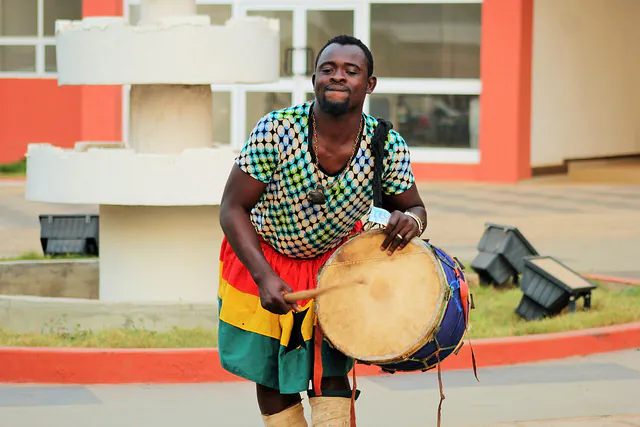

About Northern Region
The Northern Region sits in the middle of northern Ghana, with Tamale as its capital. Much of the old Kingdom of Dagbon lies here, and Dagbani is the most widely spoken language. The region is smaller than it used to be. After the referendum of 27 December 2018, the Savannah and North East regions were created from it, so older reports and results usually describe the larger, old Northern Region. Formal schooling reached the area late, and the first government school in the Northern Territories opened in Tamale in 1909. The University for Development Studies keeps its central administration in Tamale, with campuses at Nyankpala and Yendi. Farming is the main work for most families. Parents choosing a school can use the SchoolRegistry directory to compare schools district by district, from Tamale and Sagnarigu to Yendi and Bimbilla.
How the region came about: Smaller since 2019: the Savannah and North East regions were created from the former Northern Region after the referendum of 27 December 2018
What makes Northern Region proud
- The University for Development Studies describes itself as Ghana's first public university in the north.
- Bagabaga College of Education has trained teachers in Tamale since 1944.
- Damba brings processions on horseback and warrior dances to the towns of Dagbon.
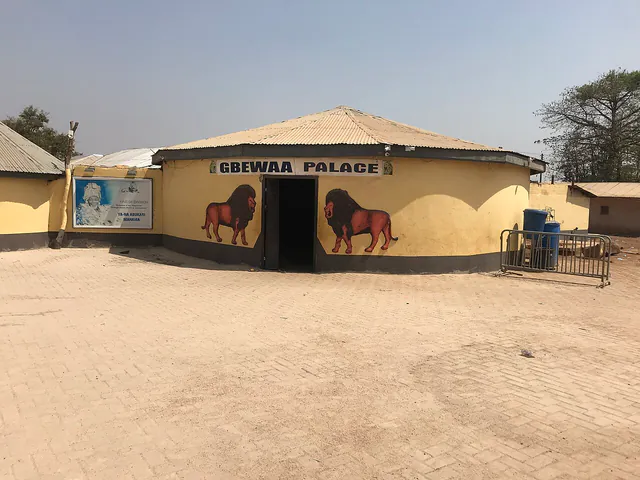
- Naa Gbewaa Palace in Yendi is one of the sites the regional council names for visitors.
Education pride in Northern
Founding years are shown only where the sources are reliable and agree. A school without a year here is listed without one rather than guessed.
- Bagabaga College of Educationopened 1944
- The first government school in the Northern Territories opened in Tamale in 1909.
- UDS was set up by PNDC Law 279, gazetted on 15 May 1992, and describes itself as Ghana's first public university in the north. Its central administration is in Tamale, with a campus at Nyankpala and an eastern campus at Yendi.
- Tamale Technical University began as a Trades Training Centre in 1951 and became a polytechnic on 23 August 1992.
Universities and colleges based here
- University for Development Studies (UDS) Tamale, Public university, since 1992
- Tamale Technical University Tamale, Public technical university, since 1951
- Bagabaga College of Education Tamale, College of education, since 1944
Northern in numbers
2,701 schools on the register, counted by level and owner, against the whole country.
Schools by level
- Basic schools2,408 · 89%
- Primary schools107 · 4%
- Junior high schools79 · 3%
- Senior high schools46 · 2%
- Vocational schools30 · 1%
- Kindergartens15 · 1%
- Nursing and midwifery training colleges5 · 0%
- Universities2 · 0%
- Technical universities1 · 0%
- Tertiary colleges1 · 0%
Source: Ministry of Education school register, 2023/24. Basic schools combine KG, primary and JHS at one campus and are not split in the register.
Public and private
Ghana: 29.0% private. Share is of schools with a stated owner.
Literacy and learning
Literacy is our own calculation from the Census 2021 counts. Learning scores are older, and are labelled with the region as it was then.
Share of people aged 6 and over who can read and write, by region
Northern is 41.3% against 69.8% for the 16 regions together. Highest: Greater Accra 87.9%. Lowest: Savannah 32.8%.
Our calculation from Census 2021 counts (755,586 literate of 1,828,512 aged 6 and over in Northern). Source: Ghana Statistical Service, 2021.
Learning figures, the old Northern Region, before 2019
Source: Ministry of Education, Ghana Education Service, UNICEF and CDD-Ghana, 2013 to 2018. These describe the region with its boundaries before 2019, not today's.
Culture and heritage in Northern Region
Festival months are the usual ones, and some move with the lunar calendar. Ask locally before you travel.
Festivals and their usual month
- DambaDagbon, including Tamale and Yendi A festival of the Dagbon, Mamprugu, Gonja and Nanumba peoples. It includes processions on horseback and warrior dances, and it honours chieftaincy.
- Bugum (Fire Festival)Dagbon and other Mole-Dagbani areas Marked at night with torches, drumming and dancing. Some accounts place it on the ninth day of Muharram.
- Kukuo Pottery Centre and the Gushegu local textile centre are named by the Ghana Tourism Authority as places to see pottery and weaving. The page describes the region before the 2019 split.
- The regional council lists the Hamamat Shea Butter Village among its visitor sites.
Heritage sites
- otherNaa Gbewaa PalaceYendi Listed by the Northern Regional Coordinating Council among its visitor sites.
- otherSaakpuli slave wellsSaakpuli area Listed by the regional council as a visitor site. We found no separate national monument listing.
- otherTamale Centre for Culture and ArtsTamale Listed by the regional council as a visitor site.

The economy of Northern Region in a line
Farming is the main work for most households. The regional council also points to mining and shea butter as part of the local economy.
Districts of Northern Region
Every district, with its private share and senior high count. Schools with no district recorded are in the region total only.
| District | Schools | Private | Senior high |
|---|---|---|---|
| Tamale Metro | 355 | 17% | 11 |
| Sagnarigu Municipal | 292 | 23% | 4 |
| Yendi Municipal | 238 | 23% | 3 |
| Nanumba North Municipal | 215 | 17% | 2 |
| Karaga | 168 | 13% | 2 |
| Gushegu Municipal | 165 | 8% | 1 |
| Kpandai | 158 | 18% | 1 |
| Saboba | 142 | 8% | 5 |
| Tolon | 140 | 14% | 1 |
| Kumbungu | 140 | 5% | 4 |
| Nanumba South | 133 | 9% | 1 |
| Savelugu Municipal | 131 | 23% | 3 |
| Zabzugu | 105 | 14% | 2 |
| Mion | 102 | 5% | 1 |
| Tatale Sanguli | 88 | 8% | 1 |
| Nanton | 78 | 17% | 2 |
Cities and towns in Northern Region
- Tamale city
- Yendi70
- Bimbila46
- Tamale46
- Guschiegu44
- Zabzugu44
- Karaga36
- Kyanshiogo32
- Bulpiela23
- Yepasi23
- Savelugu20
Senior high schools in Northern Region
The first ten of 46. The full list, by district, has its own page.
| School | Level | Ownership | District |
|---|---|---|---|
| Anbariya S.H.S, Tamale | Senior High | public | Tamale Metro |
| Anbariya Senior High School, Tamale | Senior High | public | Tamale Metro |
| Bimbilla Senior High School | Senior High | public | Nanumba North Municipal |
| Business College International | Senior High | private | Sagnarigu Municipal |
| Business Senior High School, Tamale | Senior High | public | Tamale Metro |
| Dagbong State Secondary/Technical School, Yendi | Senior High | public | Yendi Municipal |
| E.P. Agric Senior High School. Tatale | Senior High | public | Zabzugu |
| E.P. Senior High School | Senior High | public | Saboba |
| E/P Senior High School, Saboba | Senior High | public | Saboba |
| Ghana Senior High School | Senior High | public | Tamale Metro |
All 46 senior high schools in Northern Region
Universities and colleges in Northern Region
4 universities, technical universities, colleges of education and other tertiary institutions on the register carry a Northern region. 5 nursing and midwifery training colleges are listed.
| School | Level | Ownership | District |
|---|---|---|---|
| New Life College | Tertiary college | private | not stated |
| Tamale Technical University | Technical university | public | Tamale Metro |
| Technical University College of Tamale | University | private | Tamale Metro |
| University For Development Studies (UDS) | University | public | Tamale Metro |
Search universities in Northern Region
Schools near me in Northern Region
Looking for schools near you, or near Northern Region? Open the near me tool and, if you choose to share your location, it lists the closest schools to where you are. Your position is used once to work out the list and is not stored. You can pick a town instead.
Find schools near meQuestions people ask about schools in Northern Region
- How many schools are there in Northern Region?
- 2,701 schools across 16 districts, which is 6.2% of every school in Ghana. 46 of them are senior high schools.
- Which district in Northern Region has the most schools?
- Tamale Metro, with 355 schools.
- How do I find schools near me in Northern Region?
- Open the schools near me page and allow your location, or choose your town. It lists the closest schools to you from the schools whose position we trust. Each district page in Northern Region also lists its schools.
- What are the best schools in the Northern Region?
- We do not rank schools. For university study, people look at the University for Development Studies and Tamale Technical University. To compare schools near you, use the SchoolRegistry directory and filter by district.
- Is the Northern Region the same region it was before 2019?
- No. The Savannah and North East regions were created from the former Northern Region after the referendum of 27 December 2018. The Northern Region today is smaller, and results published before 2019 describe the old, larger region.
- What do school results look like for the Northern Region?
- Published learning results from before 2019 cover the old, larger Northern Region. In the National Education Assessment, Primary 6 maths proficiency there rose from 2.8 percent in 2013 to 10.7 percent in 2016. Newer region-level results for today's Northern Region are limited.